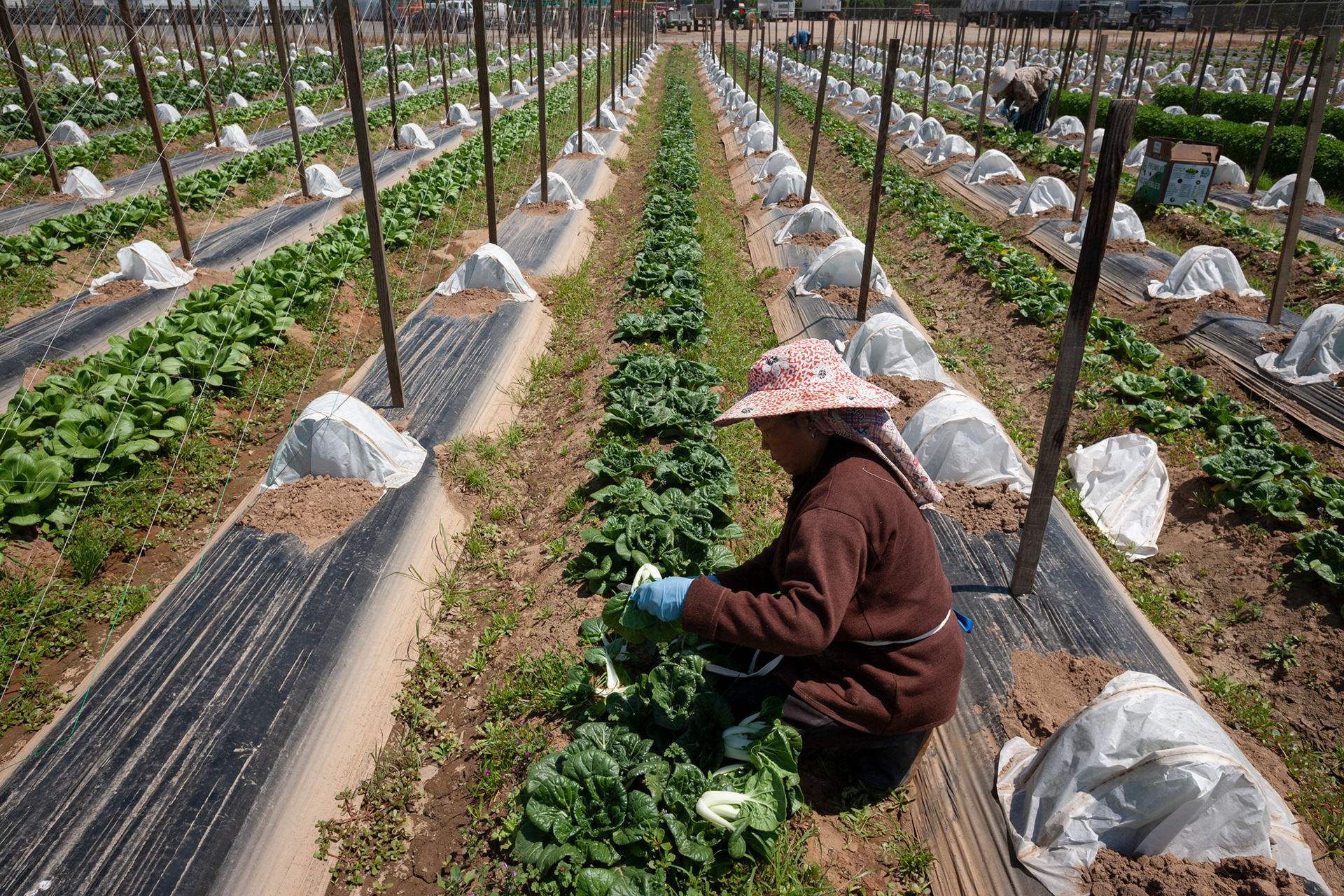
A Hmong Farm in Rural Fresno County near Sanger, California
Like other Hmong farmers, the Lor family raises Asian specialty crops that require a great deal of skilled hand labor and sell for relatively high prices. While the average Hmong truck farm is only twenty acres, these farmers make a living growing niche market crops.
I was introduced to Ye Lor and his family through the now defunct National Hmong American Farmers Association. Staff there made an appointment for me to photograph his farm on a Saturday morning in 2008.
I arrived and was welcomed by Ye Lor and his wife but quickly realized that they spoke almost no English. Neither did their co-workers, so I simply followed them for several hours as they harvested their crops and loaded them on to a truck.
When they broke for lunch, I followed them into the house and photographed as they rested, cooked and ate a meal. The house itself was very interesting— a fusion of Hmong and American cultures— so I continued making photographs with a tripod. No one paid any attention or spoke to me as I worked. It was almost as if I were invisible.
Since it was a Saturday, the teenage kids were out of school. They did not help with the farming but instead played card games and watched television in the house while their parents worked. Nor did these teenagers pay any attention to me or the work I was doing. Again, I felt invisible.
The resulting photographs tell a powerful visual story of a hardworking immigrant farm family. I actually found it easier to do documentary photography without having to keep up a conversation. But I failed to collect important information about the family and their refugee story. 18 years later, I realized that I had not saved their contact info, so I asked several organizations, Hmong elders and other farmers who I hoped might have known them. So far, no one remembers this Lor family.
Ye Lor remains a mystery to me. If you know him or his family, please contact me using the form at the end of the photo gallery. I would love to talk with them.
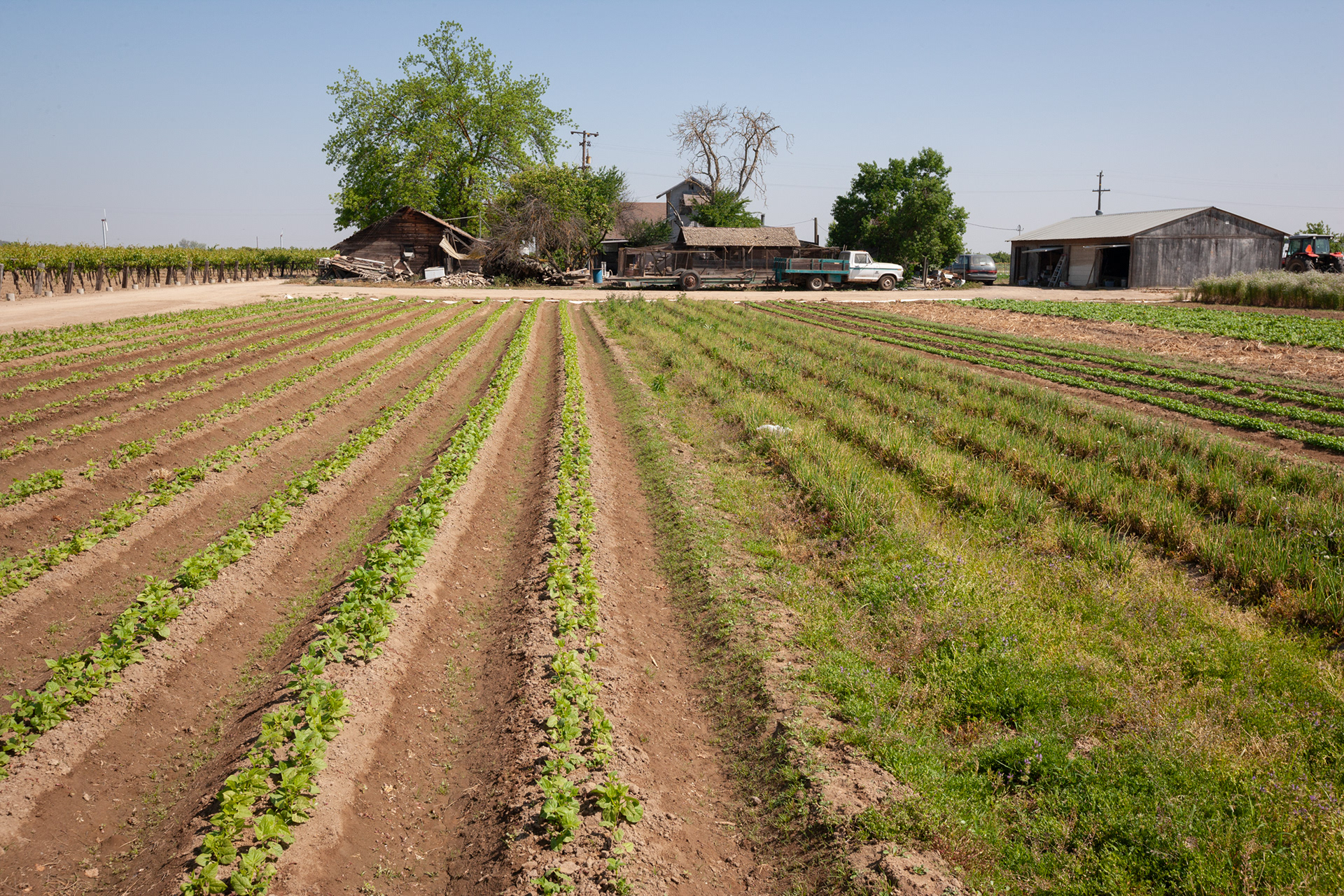
Ye Lor farm-01
The 20-acre parcel that Ye Lor farms includes an old farmhouse and several small sheds or barns, April 26, 2008.
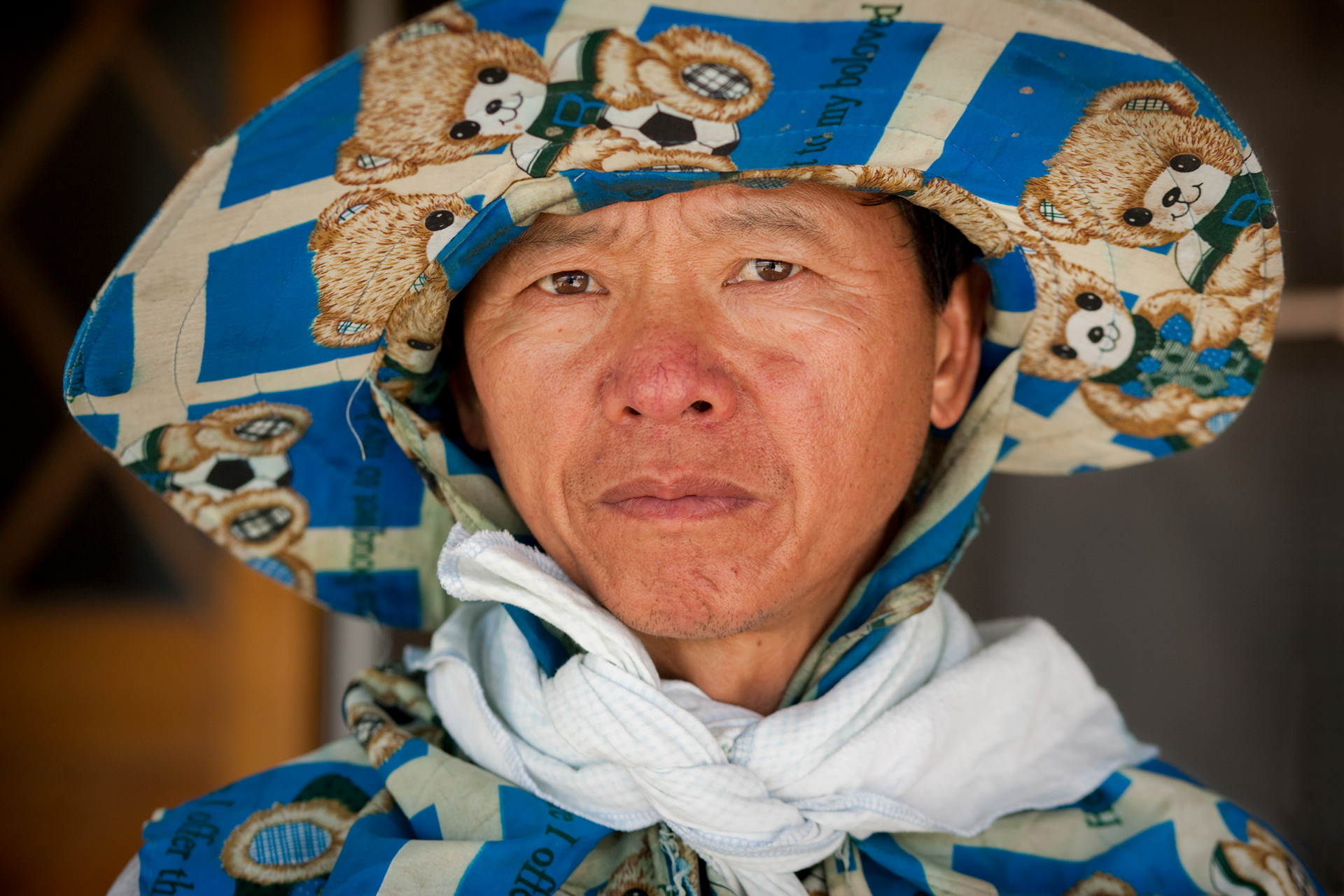
Ye Lor farm-02
Ye lor and his co-workers don heavy layers of clothing to protect themselves from sun, dust and pollens. Their sun hats are often homemade from brightly patterned thrift store fabrics, April 26, 2008.
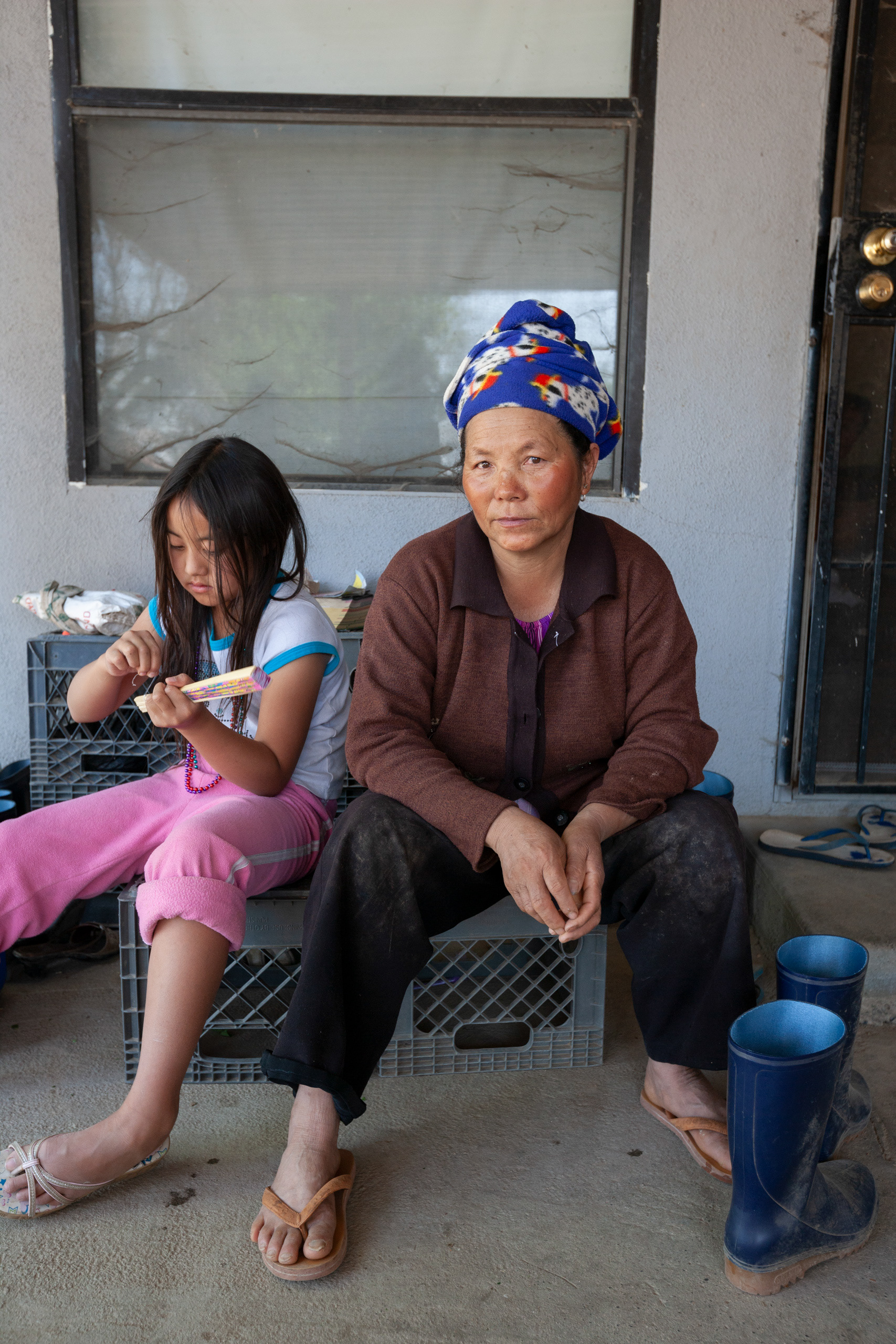
Ye Lor farm-03
Ye Lor’s wife and youngest daughter prepare for a morning in the fields. The daughter doesn’t actually work but enjoys playing nearby as her parents and aunts work, April 26, 2008.
Ye Lor farm-04
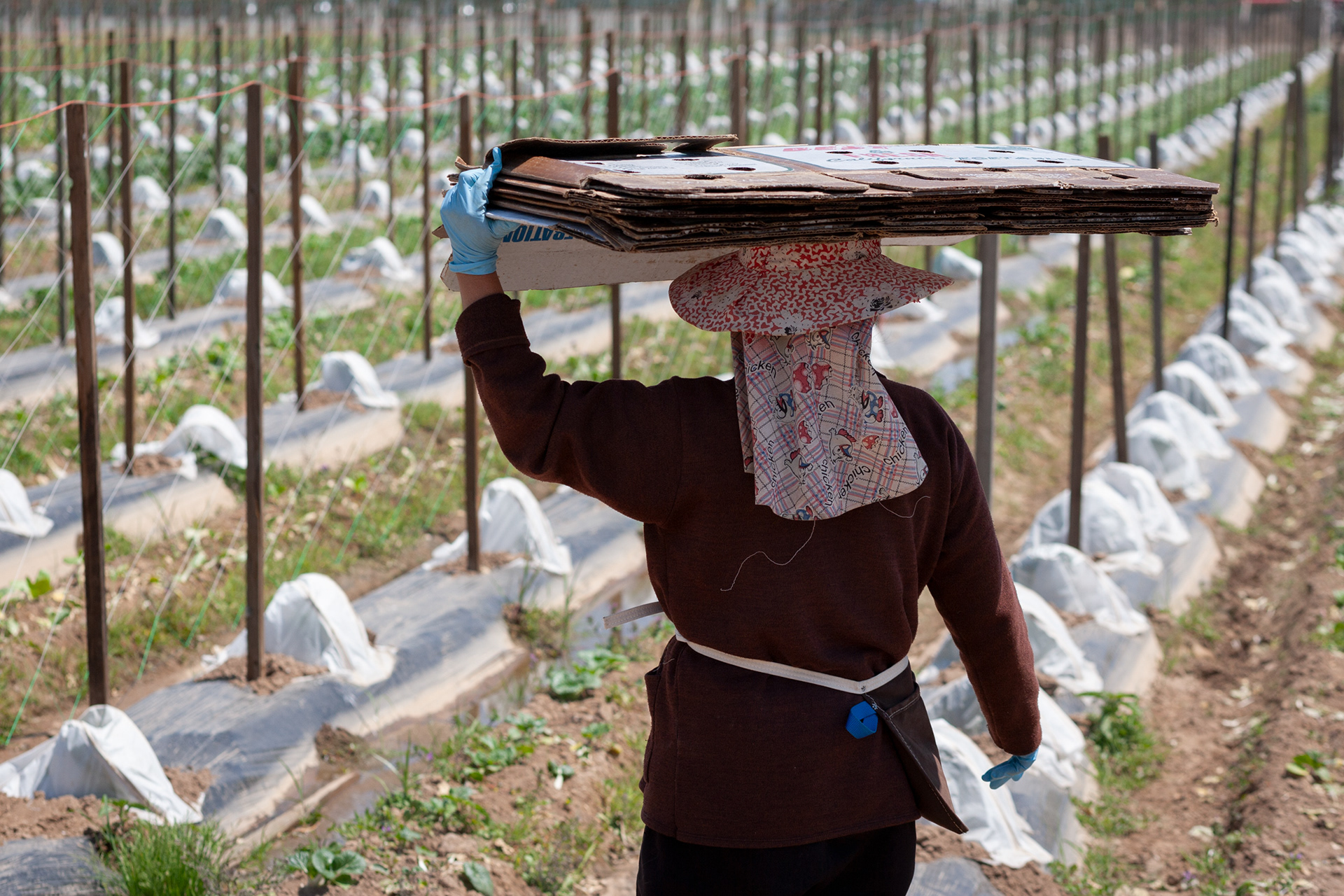
Mrs. Lor carries flattened produce boxes into the field, where she and her co-workers will fill them with fresh-picked produce, April 26, 2008.
Ye Lor farm-05
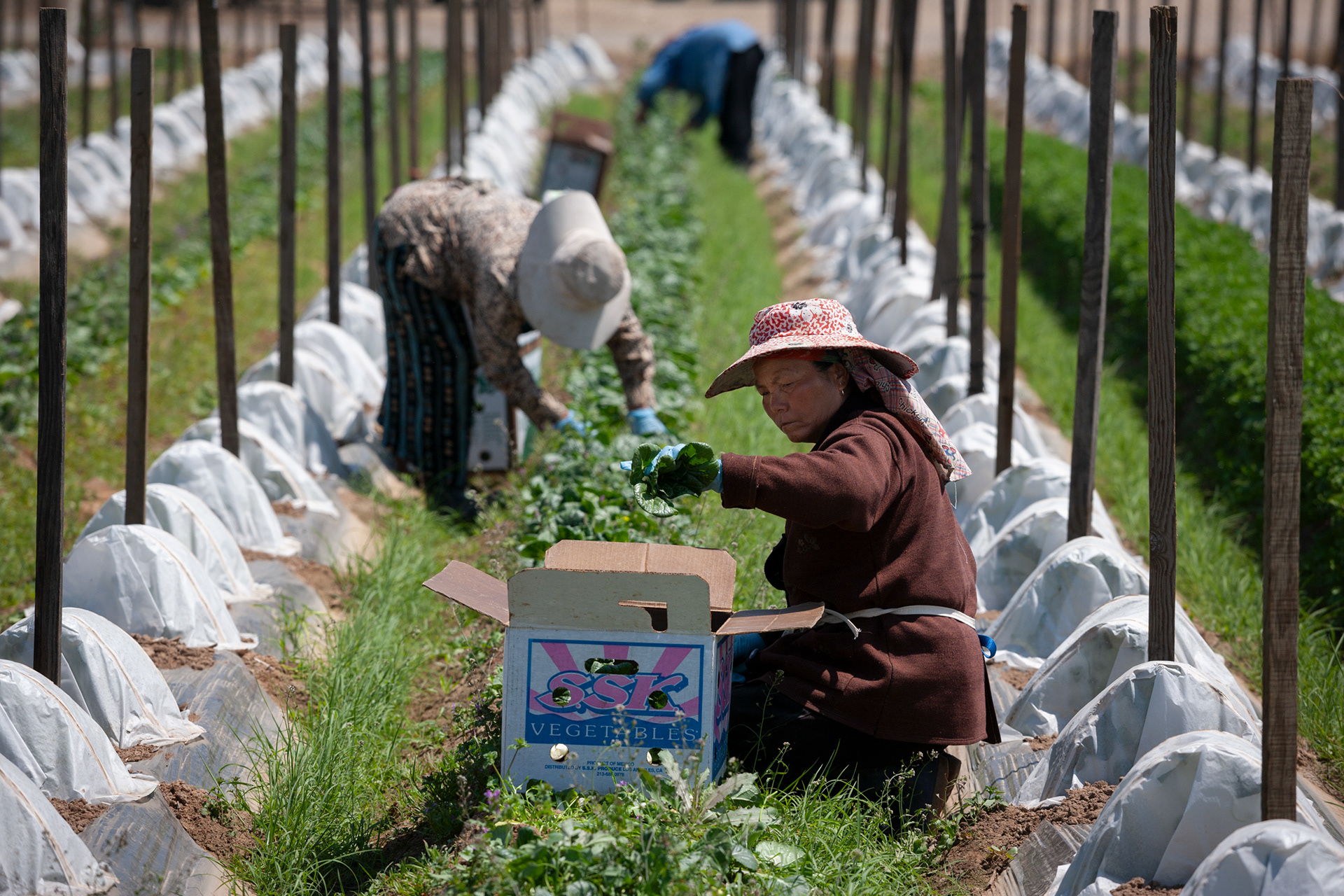
Mrs. Lor and her co-workers harvest white Bok Choy, also known as Hong Kong Bok Choy, April 26, 2008.
Ye Lor farm-06
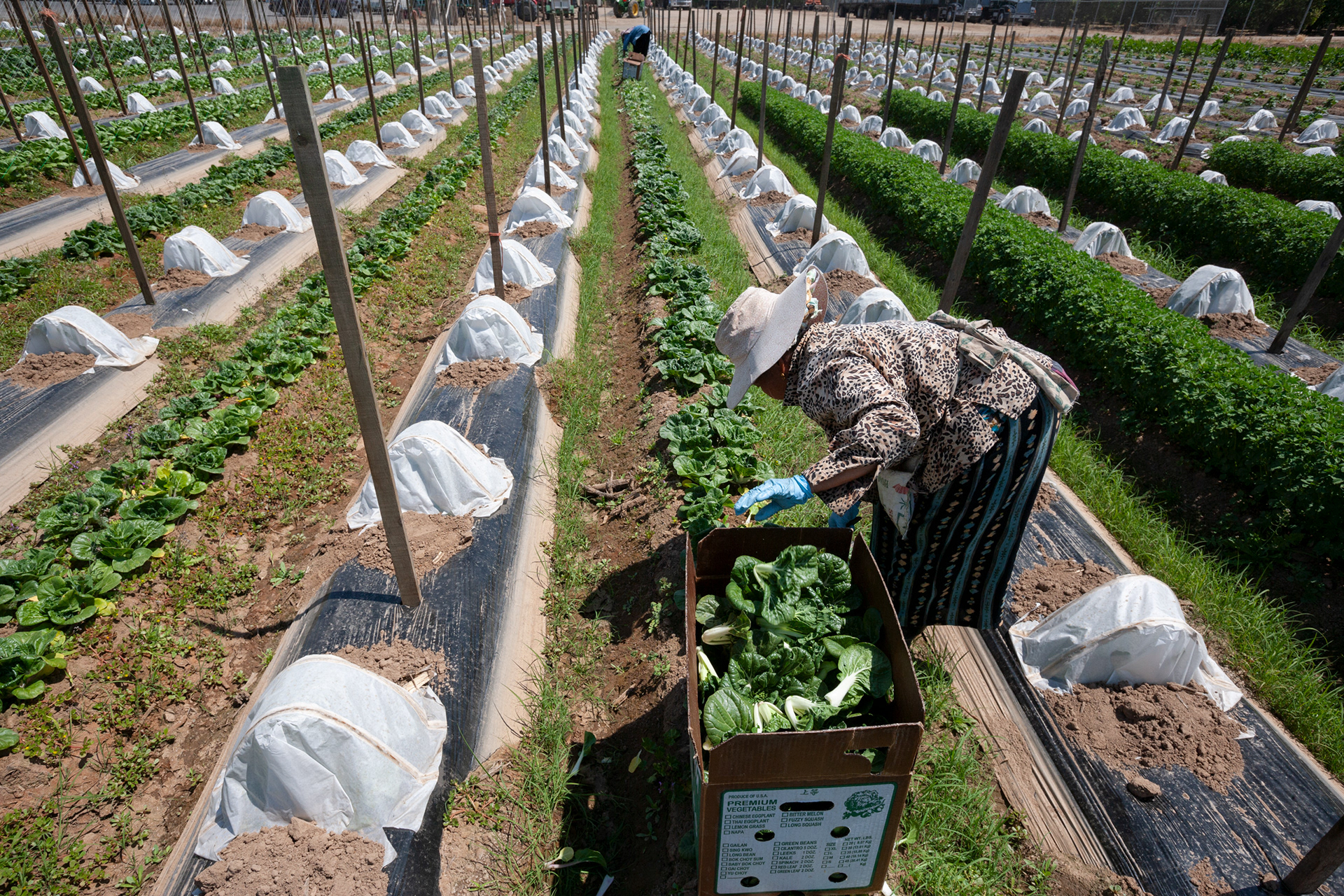
A co-worker and relative picks white Bok Choy, April 26, 2008.
Ye Lor farm-07
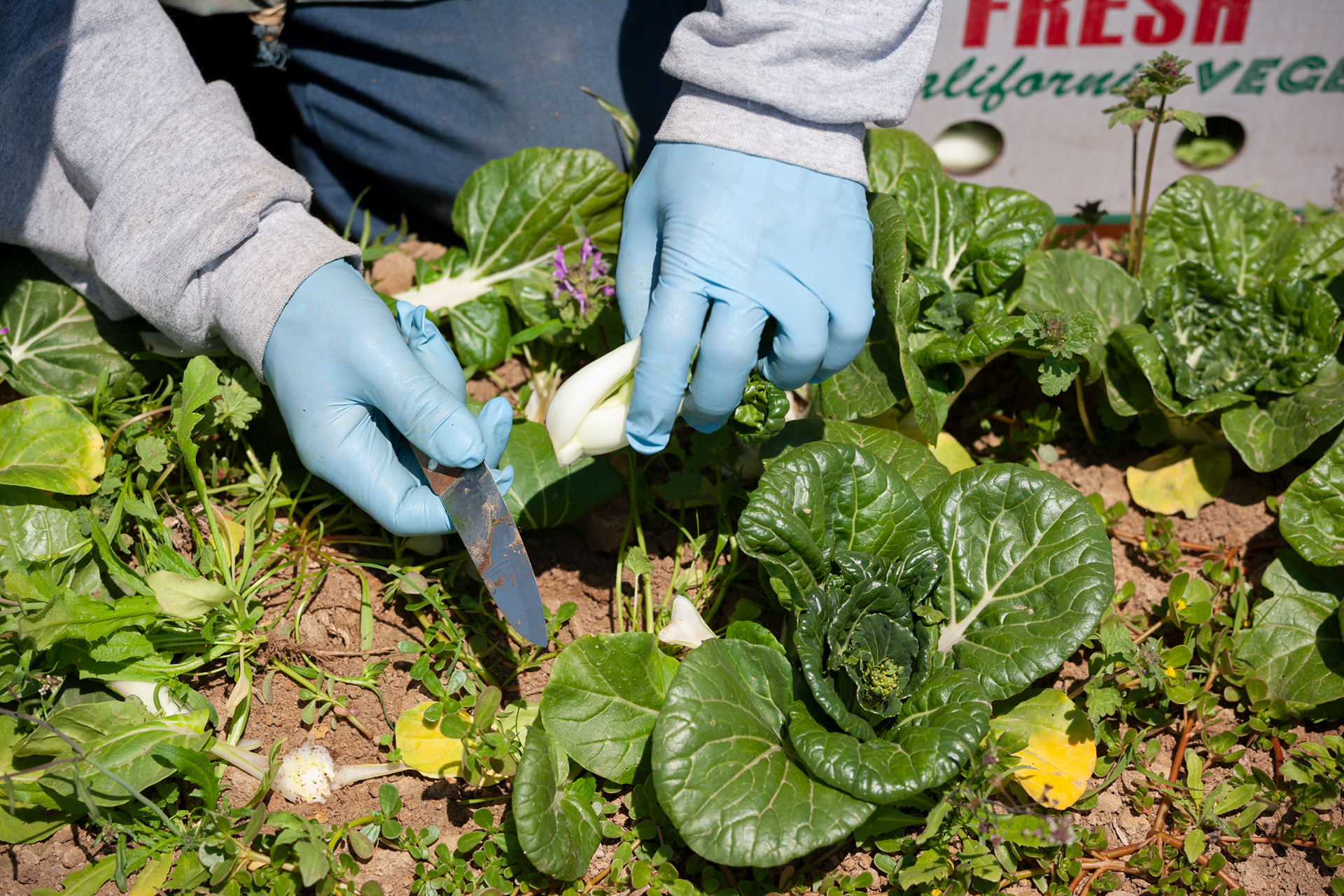
A closeup view of white Bok Choy harvesting with a small knife, April 26, 2008.
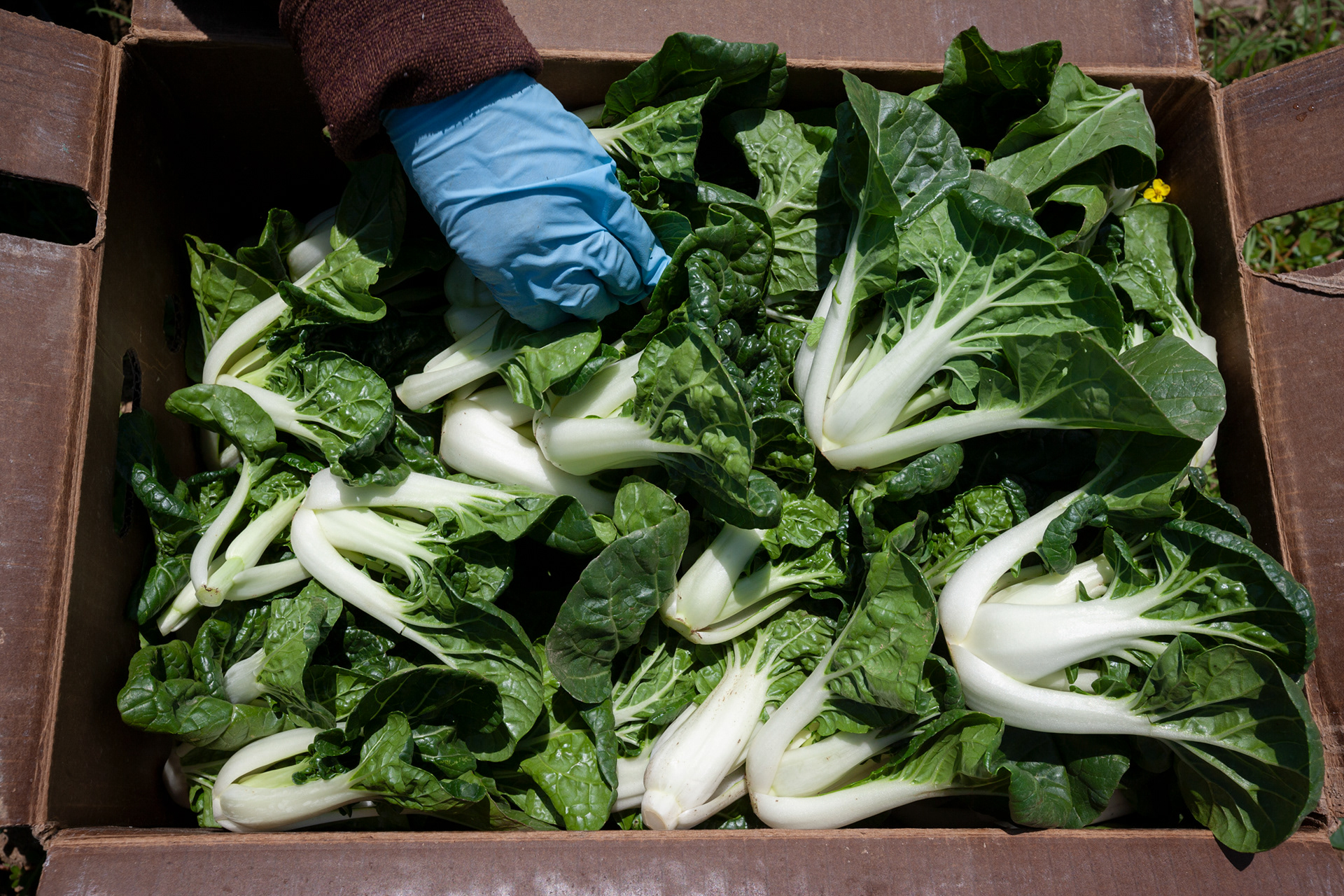
Ye Lor farm-08
A nearly-full box of white Bok Choy represents a lot of hand labor done in a squatting position. This is the Hmong truck farming niche: growing labor intensive specialty crops that sell for high prices, April 26, 2008.
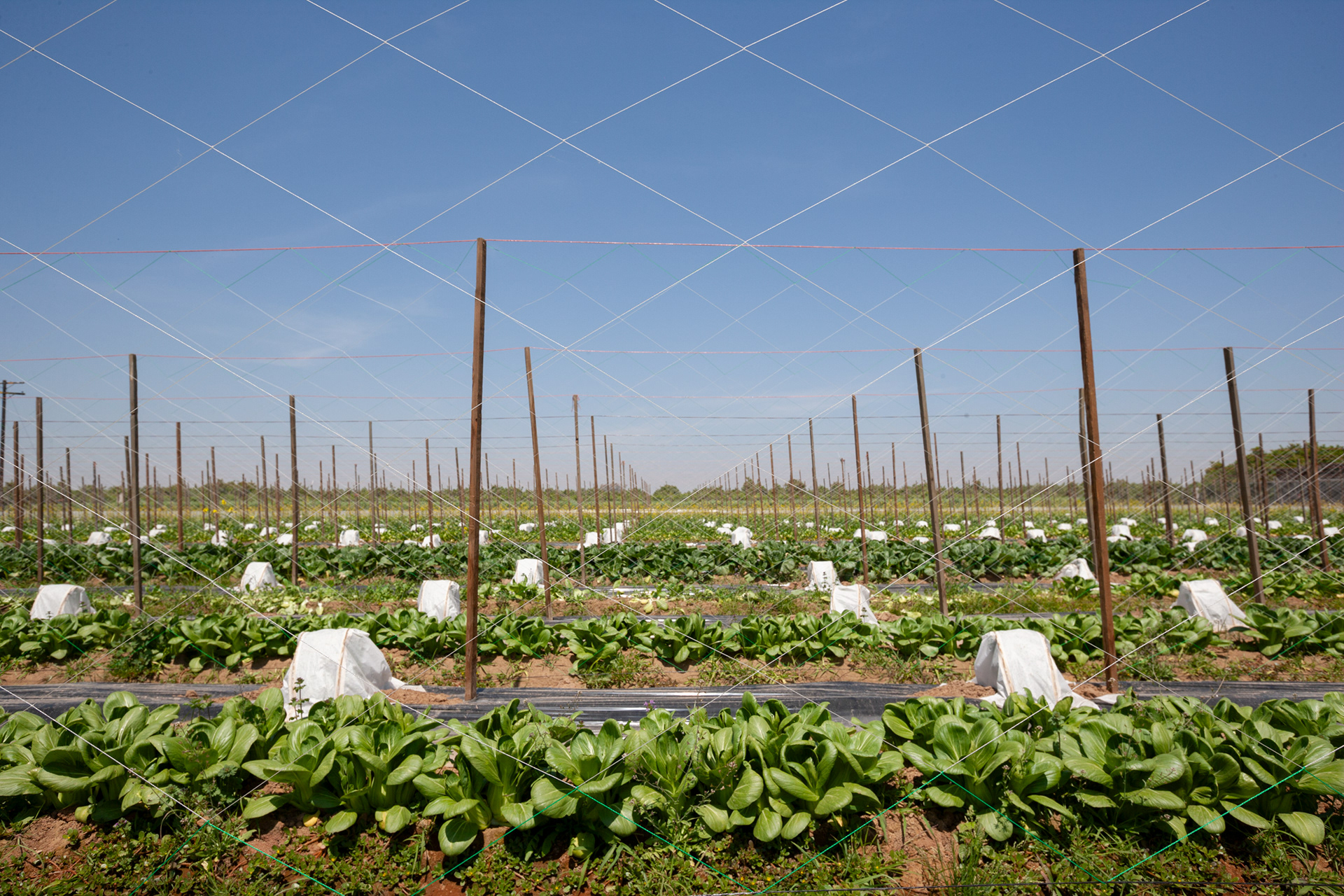
Ye Lor farm-09
The first two rows are planted with a different type of bok choy knows as the Shanghai variety, April 26, 2008.
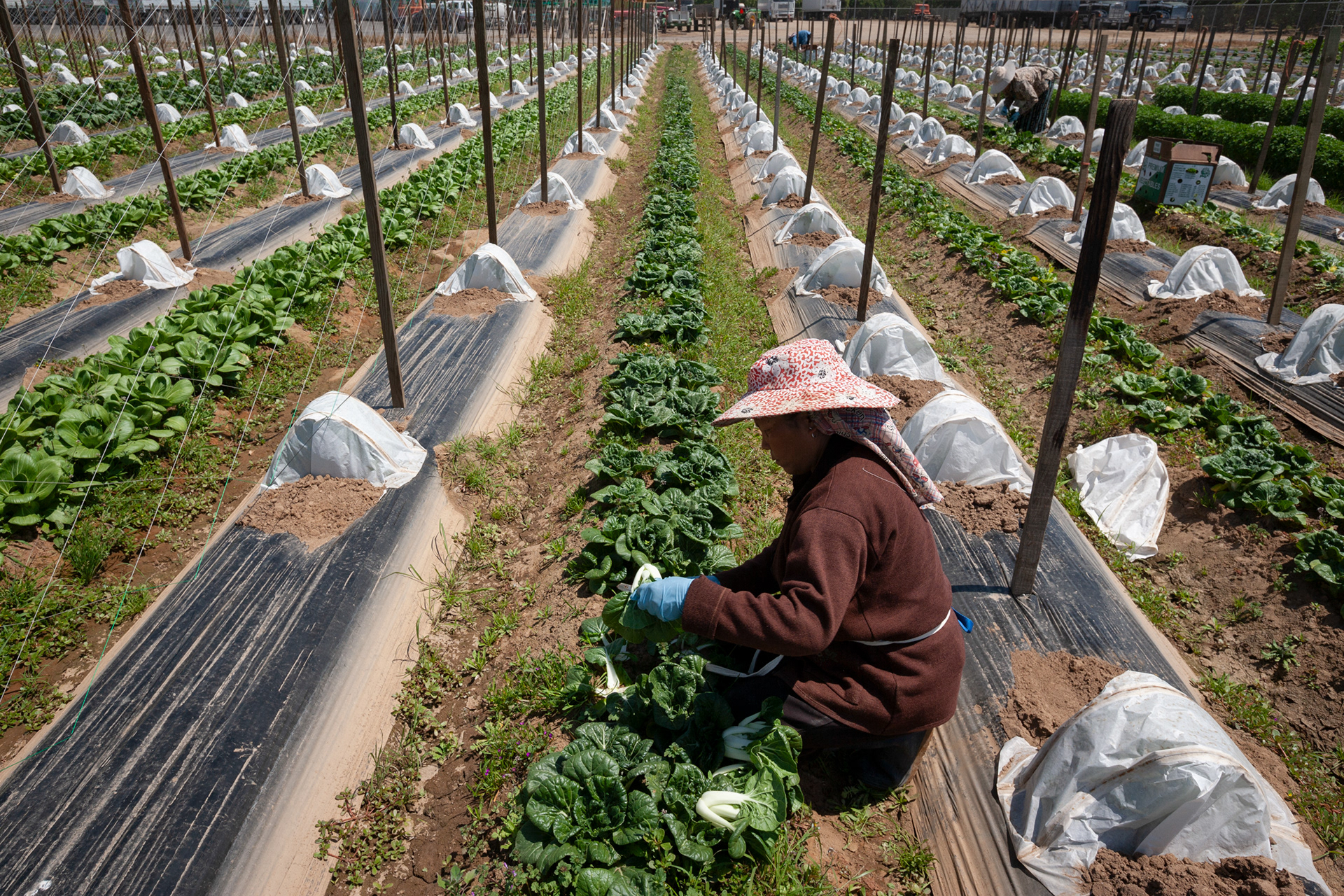
Ye Lor farm-10
Ye Lor’s wife continues her painstaking white Bok Choy harvest, April 26, 2008.
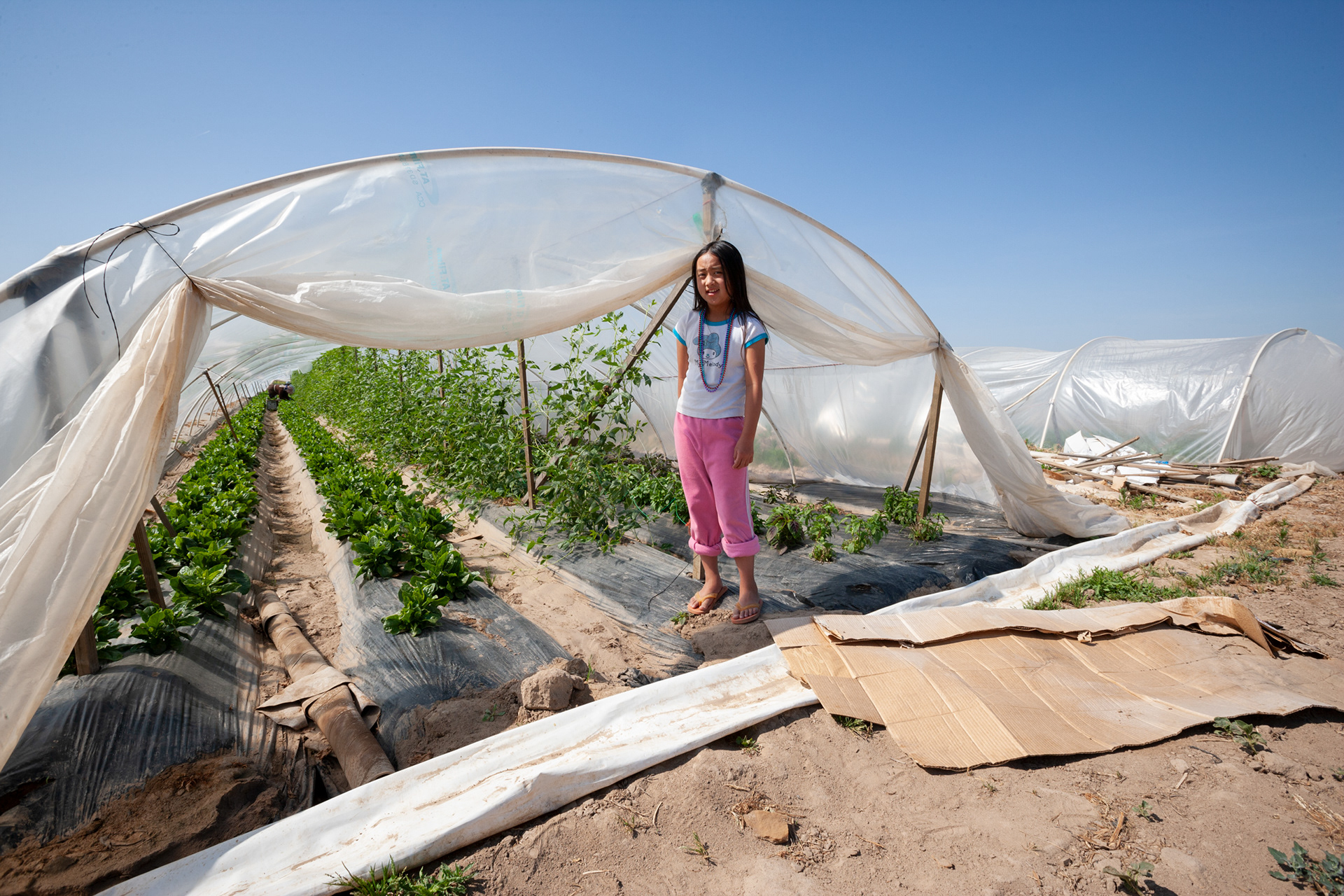
Ye Lor farm-11
The Lors’ youngest daughter hangs out at the entrance to one of their hothouses, April 26, 2008.
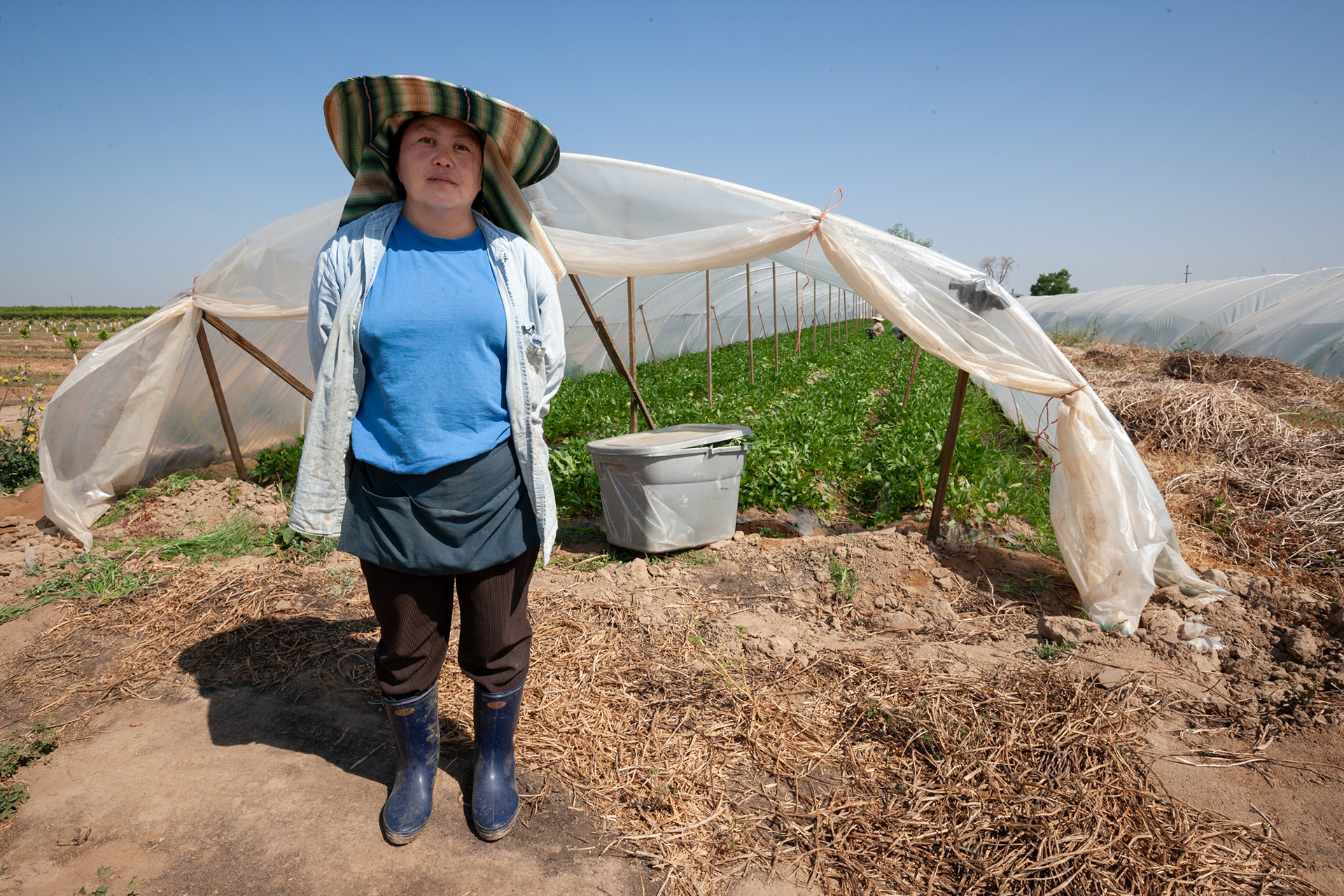
Ye Lor farm-12
A relative of the family prepares to pick crops in a hothouse, April 26, 2008.
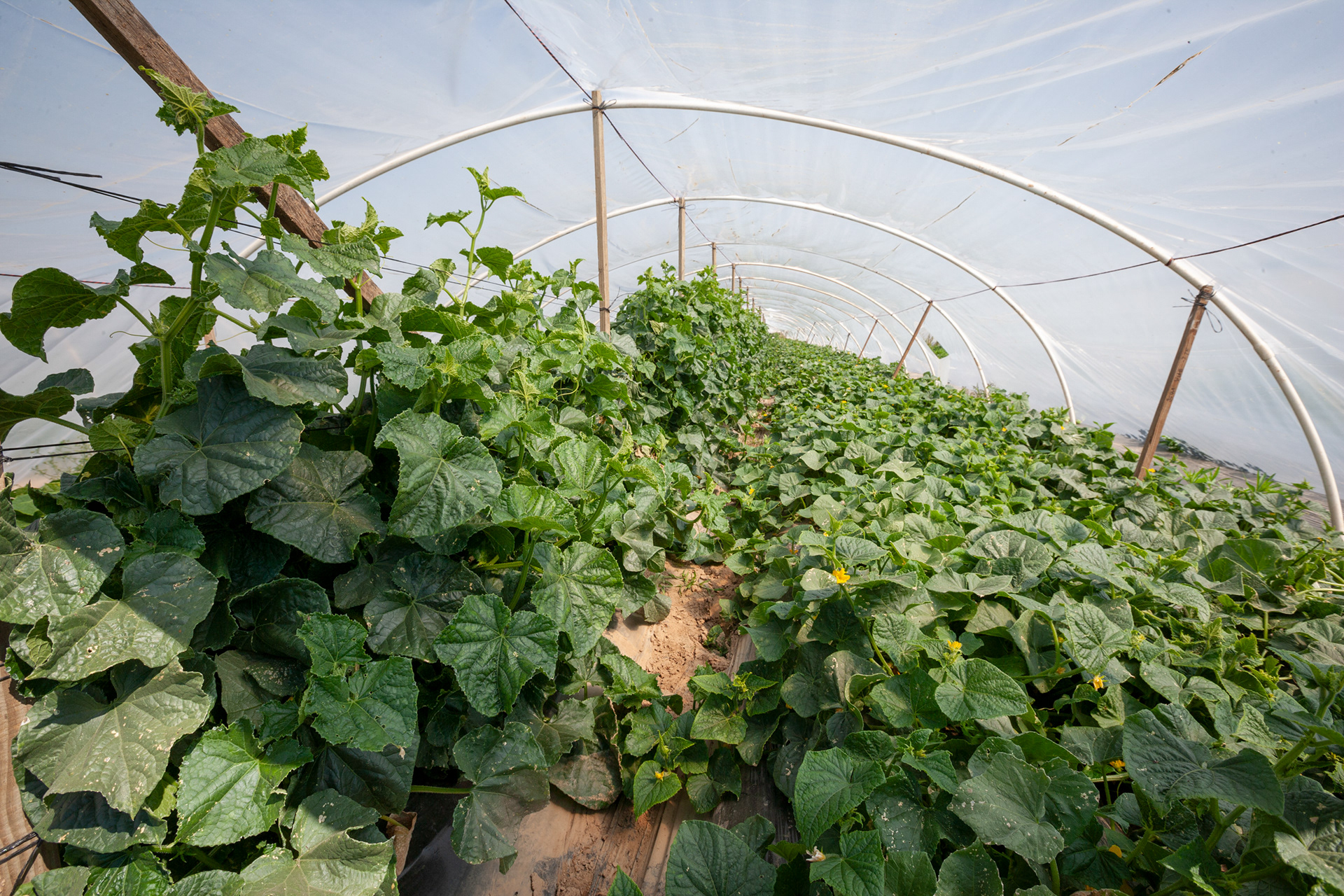
Ye Lor farm-13
Cucumber vines growing in profusion, April 26, 2008.
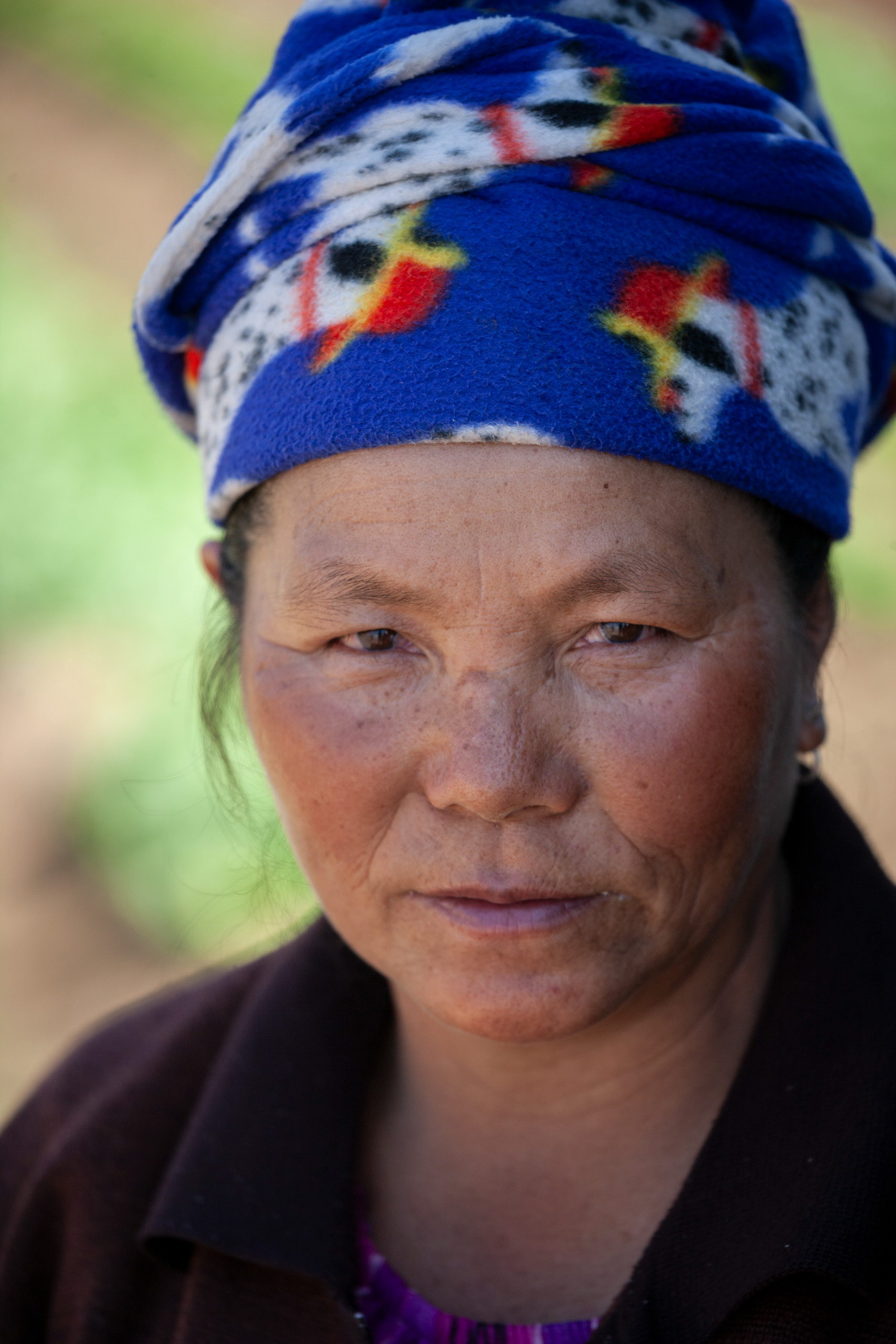
Ye Lor farm-14
A portrait of Mrs. Lor, April 26, 2008.
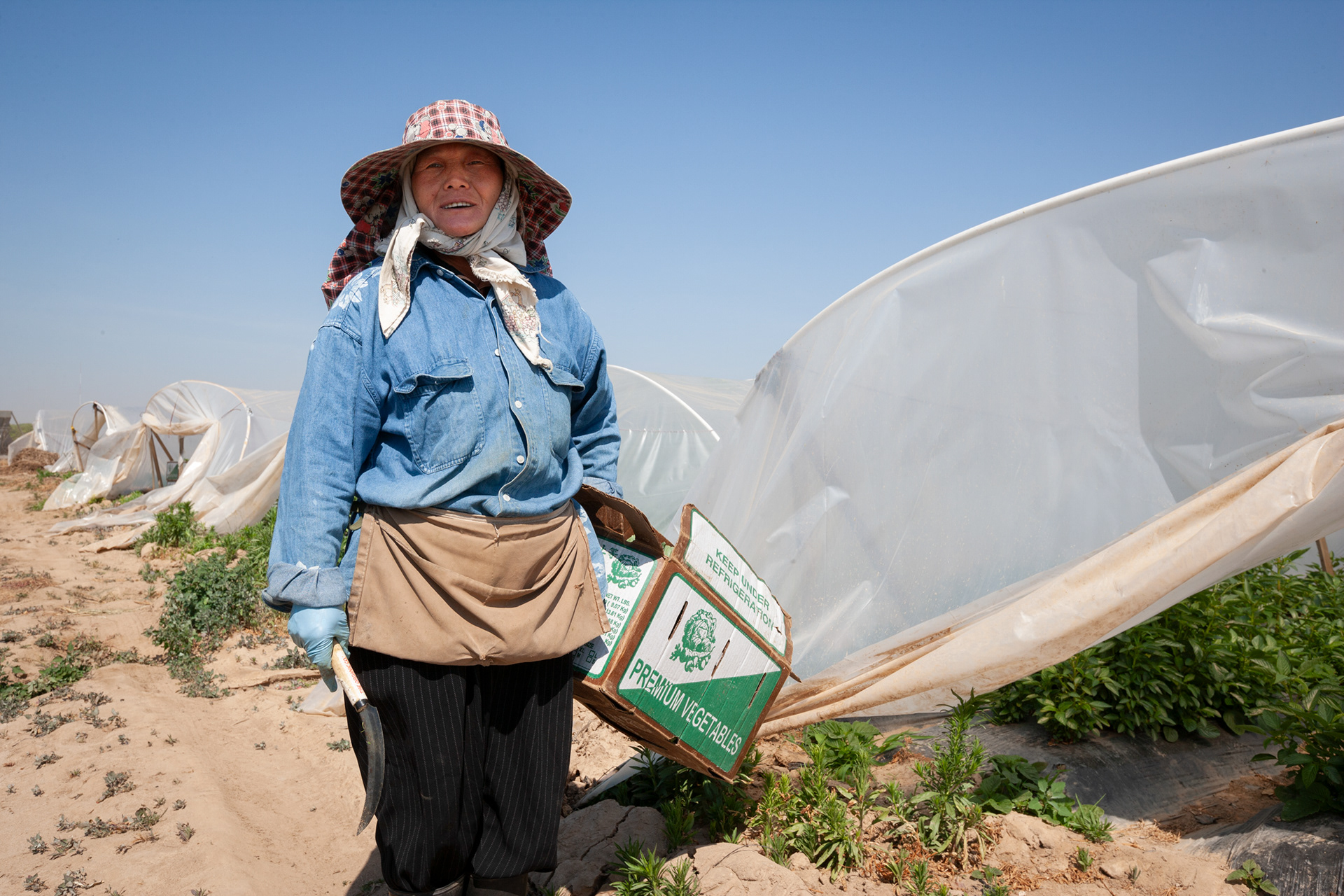
Ye Lor farm-15
Another relative and co-worker prepares to harvest basil from the hothouse to her right, April 26, 2008.